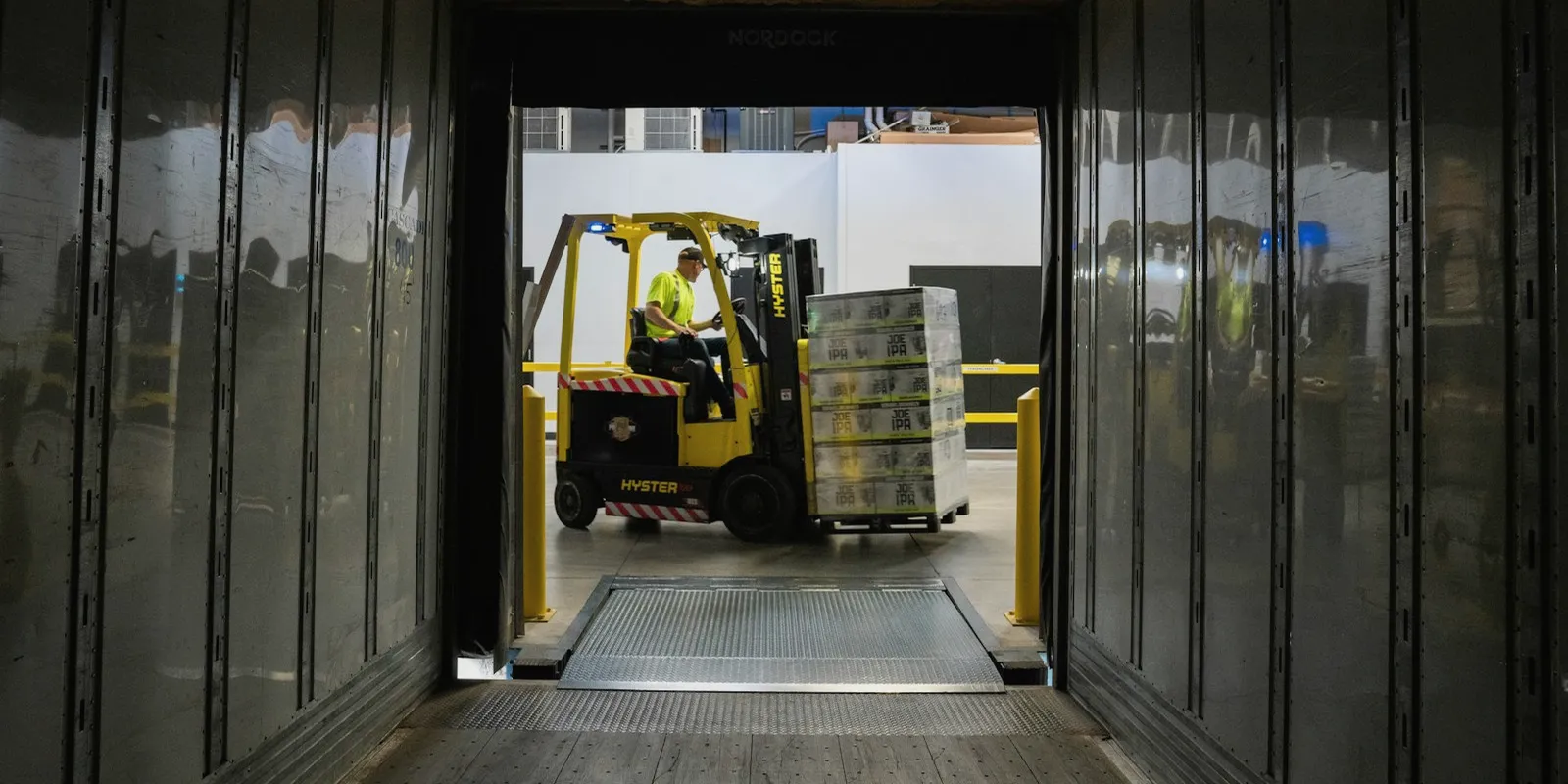
A lumper fee is the charge for unloading labor at the receiving dock, done by a crew the warehouse works with, not by the carrier. The driver pays at the dock, by card, check or an electronic payment, and gets a receipt. The carrier then passes the amount through on its freight bill as an accessorial line, sometimes with a handling fee on top if its contract or tariff allows one.
Typically, this happens on full pallet and truckload deliveries into large receivers: grocery, retail and food distribution centers. The receiver does not let the driver unload, or the freight has to be broken down, sorted by item or restacked on the receiver's own pallets. The crew sets its own price, per load, per pallet or per hour. The carrier does not set it. It only fronts the money.
So the lumper line sits with the other accessorials on the invoice, with one difference. Its amount comes from a third party's receipt, not from the carrier's tariff. That changes how you check it. You are not comparing a rate to your contract. You are comparing a billed amount to a receipt, then checking that your company is the one that owes it. On a full truckload, it often comes on the same invoice as the driver's waiting time at that same dock, which we cover under truckload detention charges.